
By Shawn Hutchings
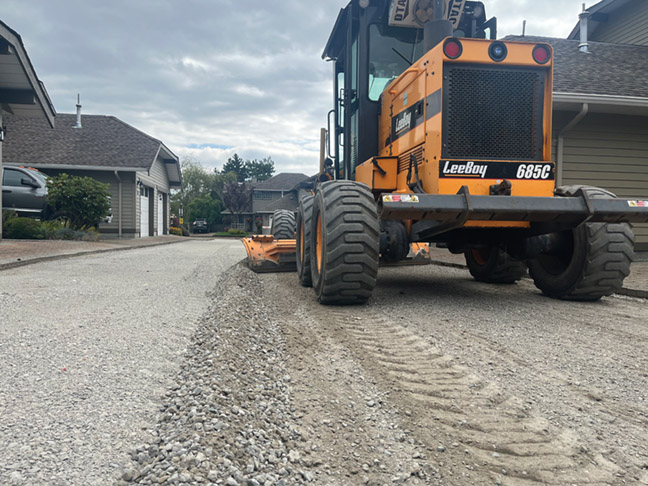
Motor graders are versatile machines commonly used in various construction projects. These units are essential for leveling and shaping new road surfaces, ensuring a smooth and even finish. Motor graders are also employed to maintain and repair existing road surfaces by filling in ruts, smoothing out bumps and restoring proper drainage. Motor graders help in spreading and leveling base materials for roads and parking lots as well. They can be used to excavate and shape ditches for effective drainage, preventing water accumulation on roadways. They are also very useful on landscaping projects to contour land and create slopes, ensuring proper water runoff. In colder climates, motor graders are often utilized for snow removal on roads and highways.
In construction projects, motor graders help level and prepare sites for building foundations and other structures. They assist in creating level pads for placing temporary or permanent structures. They are used to prepare the subgrade for asphalt or concrete paving by creating a stable and level base.
Motor graders do come in various sizes, and each size serves different purposes and applications in construction projects.
Large motor graders feature blade lengths of 14 feet or more and can weigh upwards of 40,000 pounds, and are used for heavy-duty applications, such as highway construction, large earthmoving projects and significant grading tasks. Their size and power make them suitable for handling substantial material and achieving high production rates.
Medium motor graders generally have blade lengths of 12 to 16 feet and weigh between 20,000 to 40,000 pounds. Medium units are commonly used for municipal road maintenance, parking lot grading and larger construction projects. They provide a good balance of power and maneuverability, making them versatile for various tasks.
Small motor graders typically have a blade length of around 8 to 12 feet and a weight of about 10,000 to 20,000 pounds. These units are ideal for smaller projects, such as residential road construction, parking lots with planter boxes, landscaping and maintenance of narrow pathways. They are also suitable for tight spaces where maneuverability is essential. These are perfect for most asphalt crews.
The variety of sizes in motor graders allows for flexibility in addressing different construction needs, ensuring that projects can be completed efficiently and effectively. Selecting the appropriate size is crucial for optimizing performance and achieving the desired outcomes in grading tasks. Larger graders may come with higher operating costs. It’s essential to balance size with the project’s budget and expected returns.
When using motor graders to prepare an asphalt paving site, it’s important to first understand asphalt material yields. Asphalt material yields significantly impact profitability on a paving job. Here are a few examples.
1. Material Cost
Yield efficiency: Higher yields mean that a greater volume of asphalt is effectively utilized in the paving process. If the yield is low, more material is wasted, leading to higher overall material costs. Efficient use of asphalt directly reduces expenses.
2. Labor Cost
Work efficiency: When asphalt yields are optimized, crews can complete jobs more quickly and with fewer resources. This efficiency can lead to reduced labor costs since less time is spent on the job site.
3. Equipment Cost
Operational efficiency: Optimized yields can lead to fewer trips for material delivery, reducing wear and tear on equipment and lowering fuel costs. This efficiency can result in lower operational expenses.
4. Quality of Work
Reduced rework: Higher yields often correlate with better quality work. When the right amount of material is used, it reduces the likelihood of issues such as cracking or surface wear, minimizing the need for rework or repairs, which can be costly.
5. Project Timelines
Faster completion: Efficient asphalt yields can speed up the paving process, allowing projects to be completed faster. This can lead to quicker turnaround times for payment and the ability to take on additional projects, thereby increasing overall revenue.
6. Waste Management
Minimized waste: Optimizing asphalt yields helps in minimizing waste, which not only reduces material costs, but can also lower disposal fees associated with excess material. This is particularly important in environmentally conscious projects where waste management is critical.
7. Pricing Flexibility
Competitive advantage: Contractors who can achieve higher yields can offer more competitive pricing while maintaining profitability. This flexibility can attract more clients and lead to increased business opportunities. This is my favorite one — when you know your yields, you know your business!
Understanding and optimizing asphalt yields allows for more accurate project estimates. This accuracy helps in budget management and can prevent cost overruns that negatively affect profitability.
8. Long-Term Durability
Reduced maintenance: Properly managed asphalt yields contribute to the durability of the pavement. Longer-lasting surfaces require less frequent maintenance, saving money over time.
9. Client Satisfaction
Quality and value: Delivering a high-quality, durable pavement within budget enhances client satisfaction. Satisfied clients are more likely to provide repeat business and referrals, boosting long-term profitability.
Now that we understand material yields, where does the motor grader come into play on asphalt jobsites?
Motor graders provide precise grading for the sub-base layer, which is crucial for a smooth asphalt surface. This reduces the need for additional asphalt material to maintain desired final grade and minimizes waste (remember the high yield goal). With the ability to create a uniform surface, motor graders help in the efficient use of asphalt. This means less material is wasted during application, leading to cost savings.
Rather than using the asphalt depth to determine final grade with yields being completely uncontrollable, the asphalt paver can maintain an even depth of asphalt through the whole jobsite because the grader precisely graded the base before the asphalt crew even shows up. A well graded surface minimizes the chances of needing to redo sections of the pavement due to poor alignment or surface issues, saving time and money.
Motor graders can be used for various tasks beyond grading, such as spreading material and trimming/ripping out areas that might have been done by hand, which can reduce the need for multiple pieces of equipment and extra labor costs.
In summary, optimizing asphalt material yields is crucial for maintaining profitability in paving jobs. It affects various cost factors, project timelines, quality of work and overall client satisfaction — all of which play essential roles in the financial success of a paving project. Overall, the use of a motor grader enhances the quality and efficiency of asphalt paving projects, ultimately leading to significant cost savings and more profitability for a contractor.
Hit me up if you need any help determining if a motor grader is a good fit for your team.
Shawn Hutchings is a Regional Sales Manager with LeeBoy. He can be reached at shawn.hutchings@leeyboy.com


