
by Joshua Trolinger
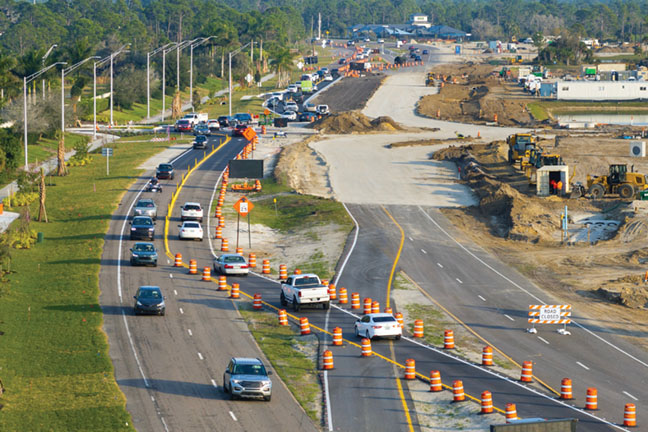
Every orange barrel, channelizer, flashing arrow board, or temporary lane closure exists for one reason—to improve the roads we all travel on. While road construction may create temporary inconvenience, the end result is safer, smoother, and more efficient travel for all motorists. The irony is that the very people making our roads safer often face the most danger from distracted and inattentive drivers every…single…day.
Highway construction is one of the most hazardous occupations in America. Workers operate inches from vehicles traveling at high rates of speed, trusting that drivers will notice the signs, warnings, flashing lights and will heed the attention needed to keep them safe. Unfortunately, that trust is broken far too often and families are affected for life.
Phone Down. Slow Down.
The greatest hazard in today’s work zones isn’t the materials or equipment —it’s distracted driving and even with all the technology in vehicles today, the handheld is still the greatest distraction!
A text message, social media notification, or quick glance at a phone may seem harmless, but at highway speeds, just a few seconds of distraction can mean traveling the length of the immediate work zone without looking at the road. This distraction is the difference in safely passing through and permanently changing someone’s life.
When approaching a work zone:
• Phone Down – Head Up.
• Eliminate distractions.
• Slow to the posted work zone speed at a minimum or below
• Expect changing traffic patterns and workers close to the roadway.
• Work Zones aren’t always a straight path through the construction…be ready
Be the pace car! Those behind you will have to fall in line and pay more attention—this gives road workers a greater chance to return home safely.
Pay Attention to the Lights
Drivers are conditioned to recognize flashing red and blue lights from police, fire, and emergency responders. Those lights deserve immediate attention and caution. The blend of the fluorescent colors, though meant to draw your attention, can also become a sea of color where the workers and others are lost.
But construction work zones rely on other critical colors: green/white/yellow.
Green warning lights often identify highway construction vehicles entering or exiting the roadway or operating within the work zone. Whether it’s red, blue, amber, white or green, every flashing light serves the same purpose—it is asking motorists to become more alert because people are working nearby.
Those strobes are more than lights. They are signals that lives are at work. Under every hard hat or behind every sign, light, or on the equipment is: A father, mother, brother, sister, son, daughter, grandparent, parent, friend, neighbor, coach, volunteer. It’s someone that if impacted, not only changes their lives and their loved one’s lives…it will also change you and yours.
We are ALL the Problem
Because we work in this setting, we sometimes believe we are “above the rules” or are more aware of our surroundings and can do what others can’t. Wrong, we must be the ones that set the greatest example. Too often, motorists see orange cones instead of people. They see delays instead of dedication. They see inconvenience instead of the skilled professionals who spend long hours in heat, rain, cold, and traffic to build infrastructure that benefits every community. The simple choice to see beyond the barriers could save a life.
Because every work zone has one thing in common:
Someone left their loved ones at home and are anticipating their return following their shift. Be the reason that they make it back to their loved ones, the same way you return.
Joshua Trolinger is a National Account Manager with LeeBoy. He can be reached at Joshua.Trolinger@LeeBoy.com


