By Maxx Hendriks
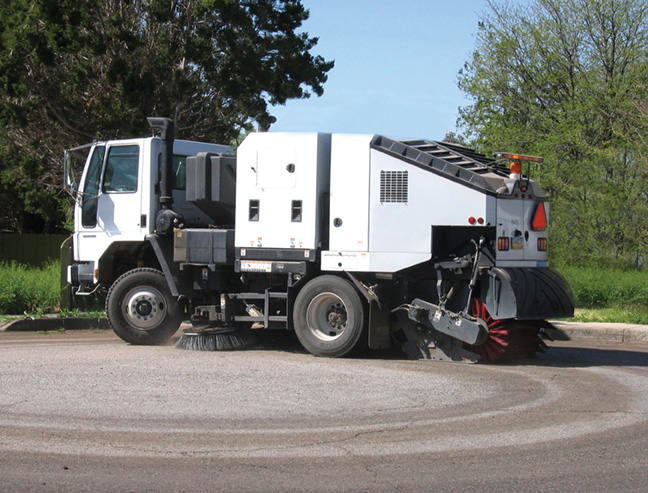
Keeping streets and industrial areas clean is essential for safety, compliance and aesthetics. Mechanical broom sweepers are one of the most effective and versatile options for removing heavy debris, compacted dirt and construction residue. Unlike regenerative air or vacuum sweepers, mechanical sweepers use direct broom action to lift debris onto a conveyor and into the hopper, making them ideal for handling heavy and challenging materials like gravel, sand and asphalt materials.
However, not all mechanical sweepers are built the same. To choose the best machine for your specific needs, you need to understand your operational requirements and evaluate several key factors. This guide will help you identify the most important considerations when selecting a mechanical broom street sweeper.
Application and Environment
Different sweeping environments require different capabilities from a mechanical broom sweeper. Before deciding, consider the type of debris you’ll be handling and the environment where the sweeper will operate:
- Municipal Streets – For routine street sweeping in urban and suburban areas, you need a versatile machine capable of handling mixed debris like leaves, dirt and light gravel. A medium-sized sweeper with adjustable broom height is ideal for these tasks.
- Construction Track Out – Construction sites often result in heavy track out of dirt, mud and gravel onto nearby streets. A mechanical broom sweeper with aggressive steel side broom bristles is best suited for removing this type of material. High-dump hoppers are also helpful for quick and efficient debris disposal.
- Spring Cleanup – In colder climates, sand, gravel, salt and silt accumulate over winter, requiring heavy-duty removal in the spring. A mechanical broom with combo or steel side broom bristles is ideal for clearing compacted debris.
- Beach Sand Cleanup – Sand can quickly accumulate on beachfront roads and areas. A mechanical sweeper that specializes in sand collection capability is key to handling this type of debris.
- Highway Sweeping – Highways require a durable machine with a large hopper to handle debris at higher speeds without compromising safety. Stability and road-following capability are also critical for highway sweeping.
- Milling Cleanup – Before and after asphalt milling operations, loose asphalt, gravel and dirt require quick and effective cleanup. A heavy-duty sweeper ensures thorough removal of milling debris.
- Sand and Gravel Removal – Construction yards and industrial sites often accumulate large amounts of sand and gravel. A powerful machine with steel side broom bristles is ideal for collecting and disposing of heavy debris efficiently.
Tip: Adjustable broom height and angle settings allow you to adapt to different surfaces and debris types, increasing the machine’s versatility.
Maintenance Note: Brooms wear out over time. Machines with easy-to-replace brooms and self-adjusting broom height mechanisms will reduce downtime and maintenance costs.
Conveyor System: Belt vs. Squeegee Conveyors
There are two main types of conveyor systems: belt and squeegee, each suited for different environments and debris types.
- Belt Conveyor – Uses a continuous loop of cleated material to lift and transport debris. It’s ideal for handling bulky and or dry debris (like leaves, gravel and branches) due to its smooth and energy-efficient motion. Best for urban cleaning and large debris as well as highway sweeping.
- Squeegee Conveyor – Uses paddles attached to a chain to scoop and push debris into the hopper. It excels at handling wet, sticky debris (like mud and leaves) and coarse materials such as asphalt milling and sand. Best for construction, milling and industrial cleanup.
Tip: Choosing a sweeper with a changeable conveyor system increases versatility, allowing you to switch between belt and squeegee conveyors depending on the debris type and environment.
Hopper Size and Dumping Method
The size of the hopper determines how long the sweeper can operate before needing to unload. The larger the hopper, the more effective the sweeper is due to less time-consuming dump cycles.
Also, consider the dumping method:
- High-dump models can unload directly into a truck or dumpster, eliminating additional material handling.
- Low-dump models require additional handling to dispose of debris.
Power Source and Engine Type
Mechanical broom sweepers are available with different engine types:
- Diesel engines – The most common and reliable option for heavy-duty sweeping. Diesel engines provide strong torque and power, making them ideal for demanding applications.
- Alternative fuel engines – Compressed Natural Gas (CNG) engines produce fewer emissions than diesel, making them a cleaner option. CNG engines are often used in regions with strict environmental regulations, and can reduce operating costs where natural gas is readily available.
- Hybrid or EV – Hybrid and electric sweepers combine electric motors with fuel-based power sources or rely entirely on battery power. They offer reduced or zero emissions, lower noise levels and improved fuel efficiency.
Environmental regulations, particularly in states like California, may influence your choice of power source. Ensure the machine complies with local emissions standards.
Ease of Maintenance and Parts Availability
Maintenance downtime can significantly impact productivity and operating costs. When choosing a mechanical broom sweeper, consider:
- Ease of access to brooms, hydraulic lines and filters.
- Availability of replacement parts from the manufacturer or local dealers.
- Training and support options from the manufacturer.
A machine designed with ease of maintenance in mind will save you time and money over its lifetime.
Non-CDL vs. CDL
Many municipalities and contractors prefer sweepers that can be operated without a commercial driver’s license (CDL) to increase staffing flexibility.
- Non-CDL sweepers offer high performance while reducing operator qualification requirements.
- CDL-required machines are typically larger and more powerful but limit the pool of available operators.
Durability and Longevity
A street sweeper is a significant investment, so choosing a machine that will last is crucial. Look for:
- Heavy-duty steel construction to resist corrosion and damage.
- Reinforced broom arms and hydraulic components.
- Reliable conveyor and elevator systems.
- Comprehensive warranty options that reflect the manufacturer’s confidence in the product
Cost of Ownership
The initial purchase price is just one part of the total cost of ownership. Factor in:
- Fuel efficiency
- Replacement broom costs
- Hydraulic system maintenance
- Repair costs and frequency
A slightly higher upfront cost for a more durable and efficient machine can save thousands of dollars in operational costs over time.
Choosing the right mechanical broom sweeper requires a clear understanding of your operational needs, sweeping environment and budget. You can select a machine that delivers maximum efficiency and value by carefully evaluating broom type, hopper size, power source and maintenance requirements. A well-chosen sweeper will enhance your fleet’s performance and keep your streets clean for years to come.
Maxx Hendriks is Marketing Generalist at Schwarze Industries LLC. He can be reached at mhendriks@schwarze.com