by Marvin Joles
When you’ve been in this industry as long as I have, including decades of running Wis-Coat Asphalt Maintenance, you see the good, the bad and the ugly on a jobsite. The work we do can seem routine after a while. Like pulling up with the crew, unloading equipment and getting after it. I can tell you from experience that all it takes is one unforeseen accident, or something to happen out of the ordinary, to remind you just how dangerous this trade can be if we aren’t deliberate about safety and preparation.
Over the years, I’ve had my fair share of those moments. I’ve seen hot material splashed where it shouldn’t have been. I’ve seen hoses burst unexpectedly. I’ve seen close calls with vehicles that wandered too close to the work zone. People literally drive through cones into fresh sealer. None of these moments were things I ever planned for, but they all became lessons we carried forward at Wis-Coat. Every accident, every near miss, forced us to ask the question: How do we prevent this from ever happening again?
That’s the heart of safety and prep — learning from experience and putting systems in place so the crew doesn’t have to learn the hard way. When you create habits that prioritize safety, you’re not just protecting your team, you’re improving efficiency, quality and morale. A crew that feels safe works with more confidence. And a confident crew gets better results for your customers, which means better results for you as the leader and/or owner.
With that in mind, let’s take a closer look at two of the most common services we provide in the maintenance side of the industry, crack sealing and sealcoating, and go over three critical things to remember in each category. These are the same principles I remind my own crews of before we step onto a lot or driveway.
Three Things to Remember for Crack Sealing Safety & Prep
1. PPE Matters
Hot rubber crack sealant will reach 350 degrees Fahrenheit or more. Always use heat-resistant gloves, long sleeves, safety glasses and/or face shields when loading or applying material — especially when it is being placed into already melted material. A minor splash can turn into a serious injury without PPE.
2. Equipment Warm-Up & Check
Before firing up the melter, check hoses, propane hoses, tanks and valves. Leaks or blockages can cause sudden pressure releases or clogs that cause material misdirection. A 5-minute inspection up front can prevent a costly accident or worse.
3. Jobsite Layout & Traffic Control
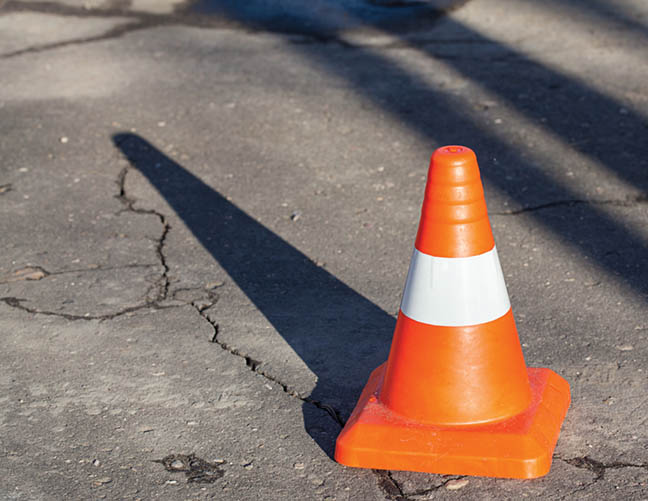
Safety isn’t just about your crew, it’s about the public, too. Cones, signage and clear traffic flow are a must. Laying out your zone before you start keeps both cars and pedestrians out of harm’s way. If you can place more traffic control, you should, because we know there will be drivers who just don’t get the picture or try to force their way in and onto the fresh rubber.
Three Things to Remember for Sealcoating Safety & Prep
1. Surface Prep is Safety Prep
Cleaning the surface doesn’t just help material bond — it also clears debris that can become trip/slip hazards, not only for pedestrians but for team members, too. Blowers, brooms and edging ensure both quality work and a safer jobsite.
2. Mixing & Handling
Sealcoat material is heavy sometimes and can be slippery on feet or hands. Use proper lifting techniques when handling bags of sand or additive containers because you don’t want to slip carrying awkward, extra weight. When mixing, ensure lids are secure and agitation paddles are clear before engaging.
3. Communication is Key
Sealcoating jobs often involve larger areas with multiple crew members moving equipment and hoses. Establish hand signals, walkie-talkie style communication or clear verbal cues before starting so no one is caught off guard by moving machinery, trucks or material that they don’t know is there.
At the end of the day, no job is worth rushing at the expense of safety. One misstep can cause a ton of downtime and an injury can slow down the crew for a prolonged period. By focusing on these basics, we protect our crews, our clients and our businesses. Work that’s done safely is usually done more efficiently, too, because a crew that feels secure can focus on the quality of the job.
I’ve learned the hard way that accidents don’t just slow you down, they can stay with you. They make you think about the people on your crew who trust you to get them home safe at the end of the day and the people waiting at home for them.
That’s why safety isn’t optional, it’s essential if we are in this together in the asphalt industry, the asphalt family.
As always, if you have any questions, insight or criticisms about this article or anything in it, please feel free to email me at marvinjoles@gmail.com and of course, reach out to me using any form of social media (@inthemixmj). Listen to the “In The Mix with Marvin Joles” Podcast on Spotify, Apple Podcasts and Watch on YouTube. Visit www.inthemixmj.com to learn more.
Asphalt is Opportunity. -Marvin
Marvin Joles is the owner of Wis-Coat Asphalt Maintenance. Visit his website at https://marvinjoles.com